Modern life offers many doors but none lead inward. Start where most never dare - inside. Loneliness is an epidemic affecting up to 1 in 2 people - a clue that something essential has gone missing beneath the persona mask. By the end of GATEWAY, you'll flip the script on modern life, learn depth psychology and neuroscience principles, and discover how to reconnect with yourself, others and life. Fee includes book.
Gateway: Loneliness Unmasked
Course Description
Loneliness is one of the defining struggles of the anti‑social century – now recognised as an epidemic affecting up to 1 in 2 people. Ironically, we’re more digitally connected than ever, yet more disconnected from ourselves and each other. Governments have appointed Ministers for Loneliness and poured millions into programs designed to bring people together. But what if we’ve put the cart before the horse? To relate to others, you first need to relate to yourself.
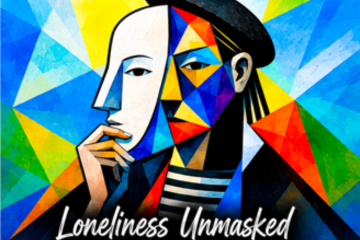
This course takes a radical view: loneliness is an inside job. Loneliness exposes the divided self – the gap between who we pretend to be and who we are becoming. It signals that something essential has gone missing – the unlived life. The real cemetery isn’t at the end of life – it’s the unlived life inside us, the hidden parts we abandon, silence or postpone. Drawing on depth psychology, neuroscience and real lived stories, loneliness unmasked helps you understand both the outer pressures of modern life and your inner insecure backstory.
This course is Door One of the Meaning Path – the gateway to individuation where loneliness reveals the divided self which longs to end its inner civil war. Across the four tasks of individuation, you’ll explore the persona mask, shadow work, attachment patterns and the deeper longing for meaning. Loneliness becomes a pathway back to yourself, others and life.
Course Structure
This Unlived Life course combines short presentations with discussion, reflection and practical exploration. Depth psychology is a branch of psychology that explores the unconscious mind and how hidden thoughts, fears, and memories shape everyday behaviour, choices and relationships. From this perspective, loneliness highlights a deeper split within us – the divided self that emerges when our conscious identity drifts too far from the unconscious parts of who we actually are.
“Loneliness does not come from having no people around you, but from being unable to communicate the things that seem important to you.” – Carl Jung
This Unlived Life GATEWAY course is based on the book Loneliness Unmasked: Reconnect with Yourself, Others and Life written by the tutor and included in the course fee. Blending real-life stories, practical insights and the occasional knock-knock dialogue, the Meaning Path Series explores the concept of individuation and leads you back to your unlived life. 3 Doors. 1 Path. The Unlived Life – start anywhere.
Course Learning Outcomes
By the end of the Unlived Life GATEWAY course, students will be able to:
- Understand how the two brain hemispheres work and discover, from a neuroscience perspective, why inner and outer dialogue is central in managing loneliness.
- Understand how we operate out of about 5% of our conscious mind and discover practical depth psychology principles to explore the hidden inner forces that shape how we think, feel, relate and live.
- Learn about the four cultural giants – Materialism, Individualism, Big Tech and Big Pharma – and discover how these outer forces shape loneliness in the anti‑social century.
- Learn how our inner divided self, attachment style and persona mask affect how we see the world and relate to others.
- Engage in shadow work and develop a quiet ego to unearth the unlived life and navigate the inner civil war.
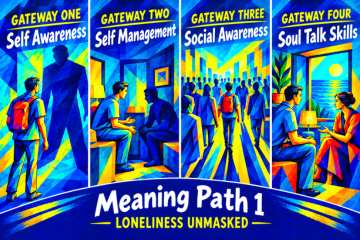
- Embrace the second half of life through the four main tasks of individuation – Self Awareness, Self Management, Social Awareness and Soul Talk Skills.
- Practise 5 key rules to reconnect with ourselves, others and life – and impact the anti-social century.
Student Testimonials
“Less lonely and my world transformed.”
"A life-changing course which examines how to reclaim our true inner self and positive mental health through theoretical and practical strategies.”
"A great challenge and the best thing I’ve ever done.”
Your Tutor is Paul Whetham
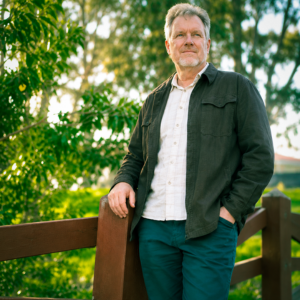
Dr Paul Whetham PhD (Clin Psych), BA (Hons), Dip (Welfare), FAPS. has been teaching at WEA since 2027.
Paul is a clinical psychologist with more than 30 years of experience as an educator, author and counsellor. With expertise in depth psychology and neuroscience, his PhD research explored the roots of loneliness. Paul previously served as Director of the Master of Counselling program at the University of South Australia and has co-authored psychology textbooks.
Through his work with Unlived Life at Life Cafe, Paul is passionate about making psychological insights accessible beyond the clinical setting, helping people develop a deeper understanding of themselves, strengthen their relationships and reconnect with life. He brings a thoughtful and engaging approach to his teaching, combining academic knowledge with practical insights. Outside of work, Paul enjoys cycling, making music and watching a good documentary with friends.

|